 1
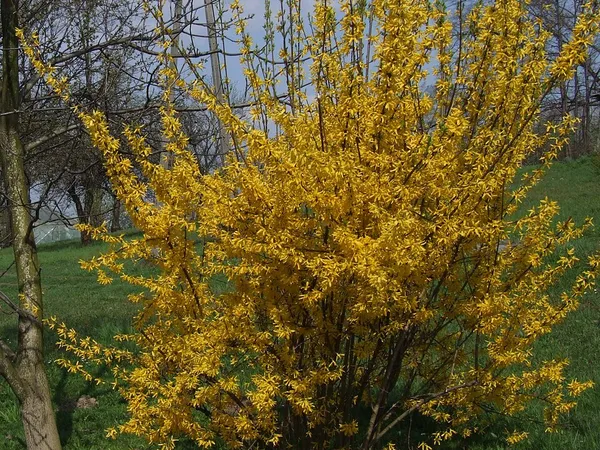
Forsythia
Forsythia
Don't cutJul – Mar
Best time to prune: Apr – May · Flowers: Mar – Apr
Next spring's yellow buds are already on the stems by late summer. Cut it in autumn or winter and you cut the show off.
 Free quote →
A Hollyoaks Gardens garden tip
30 common flowering shrubs in Kent gardens, and the months you should never cut them. One wrong trim can wipe out a whole year of flowers, and the bees go hungry.
Across Bromley and Kent we see it all the time. Lots of inexperienced and weekend gardeners give their shrubs a tidy in autumn or winter, meaning well. Then spring comes and the forsythia, lilac or hydrangea that should be covered in flowers produces nothing but leaves.
That's because many flowering shrubs make next year's flower buds months before they open, often straight after they finish flowering. Cut them at the wrong time and you cut next year's flowers off with them.
No flowers means no nectar and no pollen. Bees, butterflies, hoverflies and moths lose a vital food source, fewer flowers get pollinated, and fewer berries form for birds in winter. A garden full of flowers at the right time is one of the easiest ways to help local wildlife.
So here is our list of 30 common flowering shrubs, and the months when you should leave your shears in the shed.
These flower on last year's growth. Prune as soon as the flowers fade, then leave them alone until they flower again.
These flower on new growth made the same year. Cut them back in February to April, never in summer.
Shrubs 1 to 20 flower on last year's stems (Rule 1). The red months are when their next flowers are already forming.
1Next spring's yellow buds are already on the stems by late summer. Cut it in autumn or winter and you cut the show off.
 2
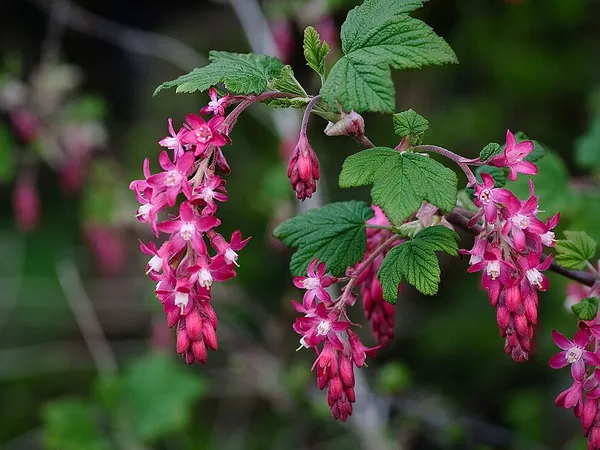
An early feast for queen bumblebees coming out of hibernation. Prune straight after the pink flowers fade.
 3
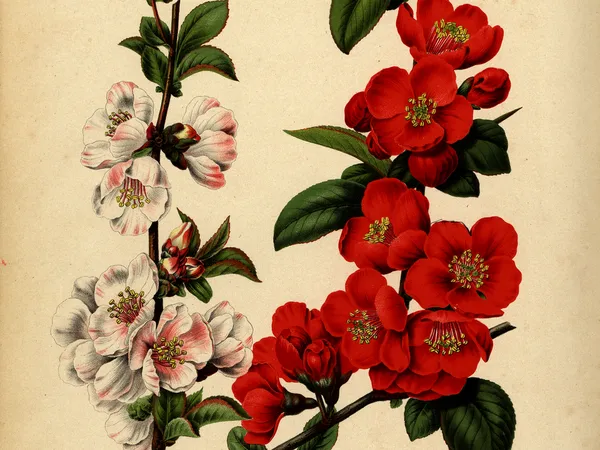
Flowers on short spurs made the summer before. Shorten long shoots after flowering, never in winter.
 4
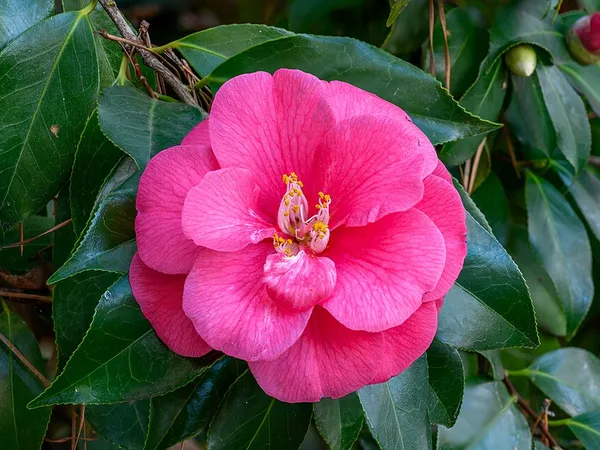
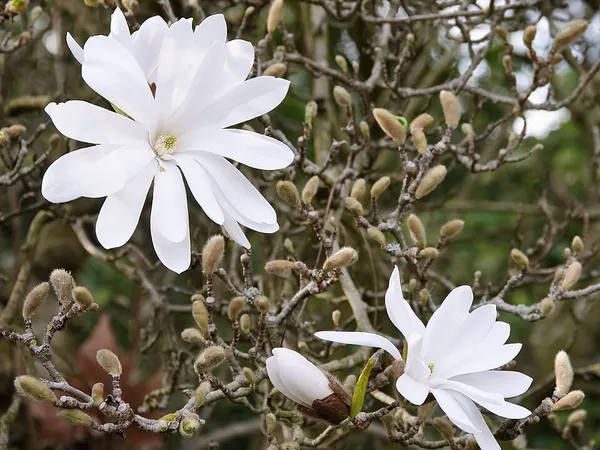
Fat flower buds form in summer and sit all winter. Any shaping must be done by the end of May.
 5
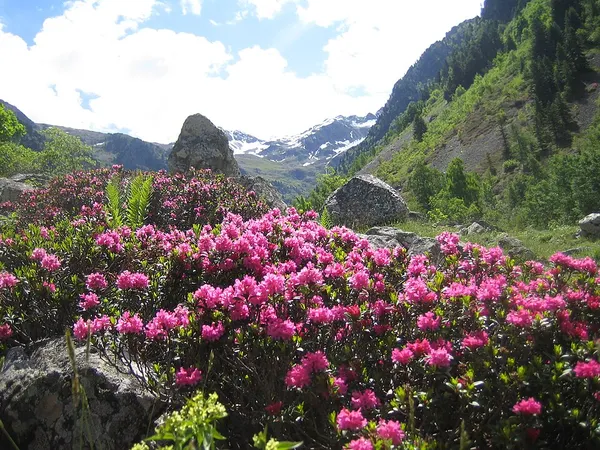
Needs very little pruning. If you must, do it lightly in midsummer when it heals best, never in winter.
 6
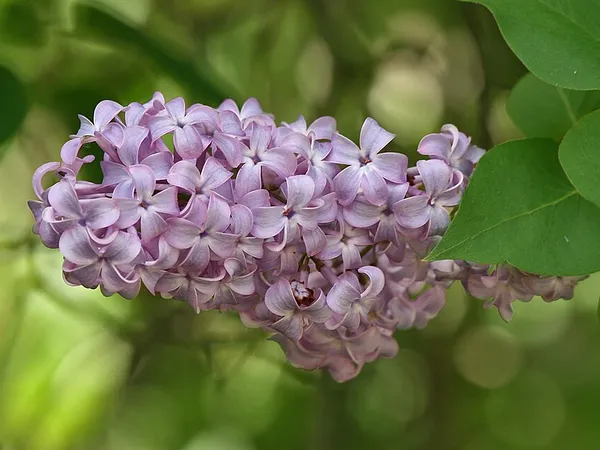
Snap off the dead flower heads and trim straight after flowering. Next year's buds appear within weeks.
 7
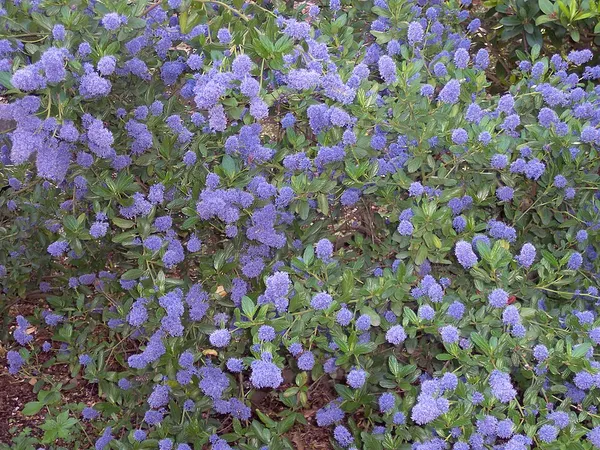
Prune as soon as the scented flowers go over. By August the new flower buds are set at the shoot tips.
 8
A bee magnet. Trim lightly after flowering and never cut back into old bare wood, as it rarely regrows.
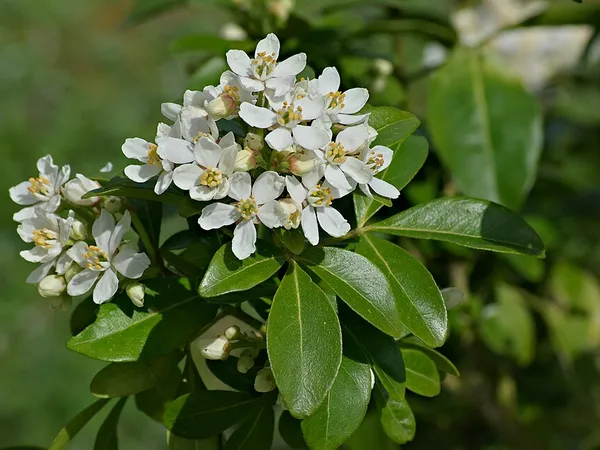 9
Trim after the spring flowers and it will often flower again in autumn. Leave it alone over winter.
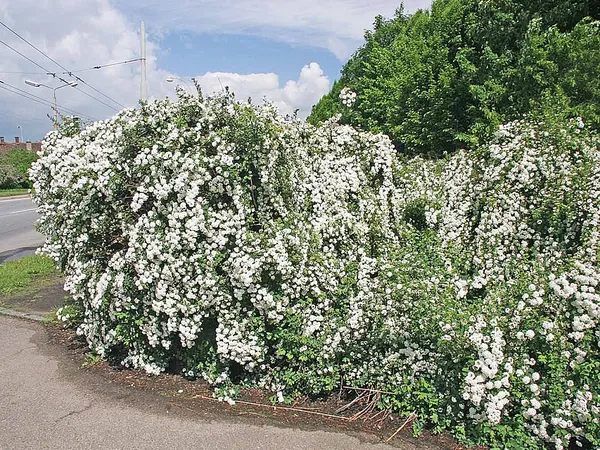 10
The arching white sprays grow on last year's stems. Cut out a few old stems right after flowering.
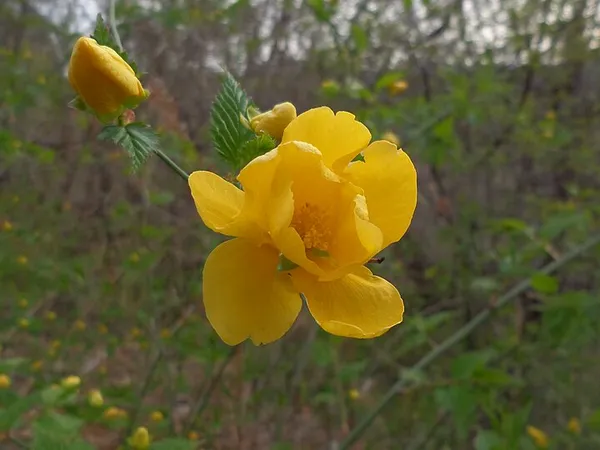 11
Cut flowered stems down to strong new shoots as soon as the yellow pom-poms finish.
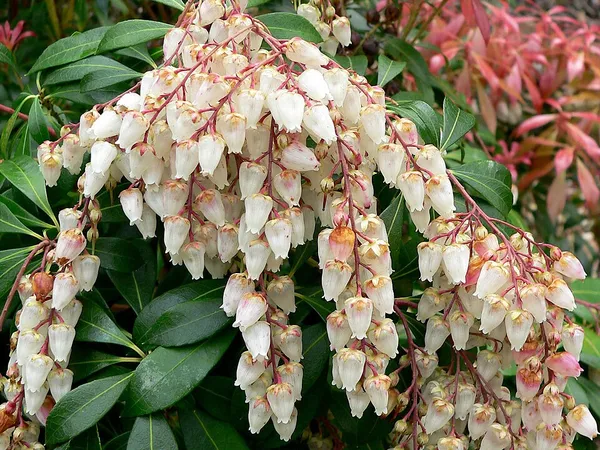 12
Lily-of-the-valley style flowers in spring. Only deadhead and lightly shape after flowering.
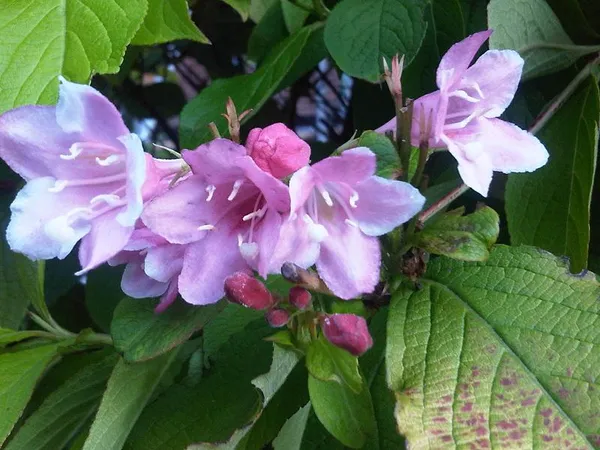 13
Cut the flowered stems back to strong new shoots in early summer. Those new shoots carry next year's flowers.
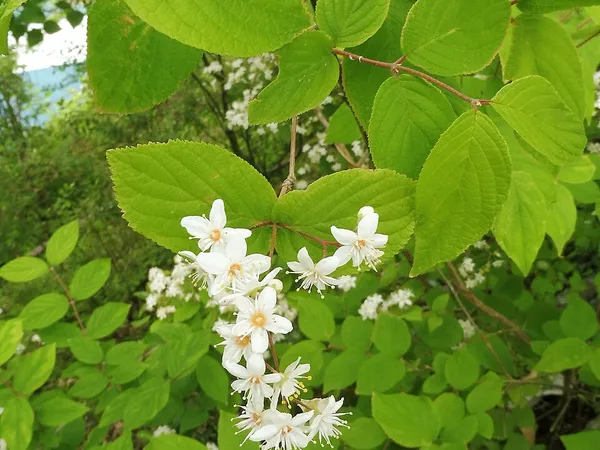 14
Prune in July once flowering is over, taking a third of the oldest stems to the ground.
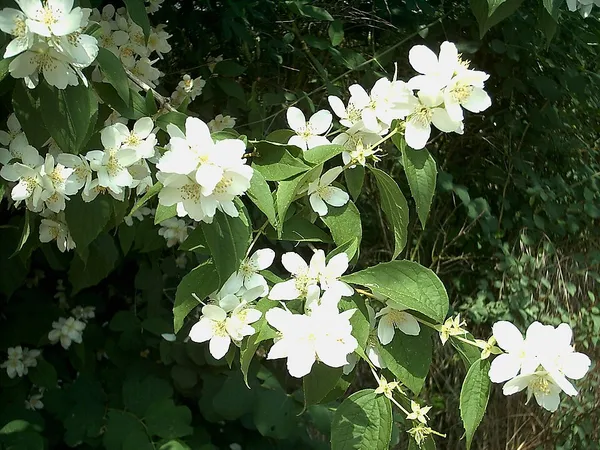 15
That orange-blossom scent comes from last year's wood. Prune straight after flowering, never in winter.
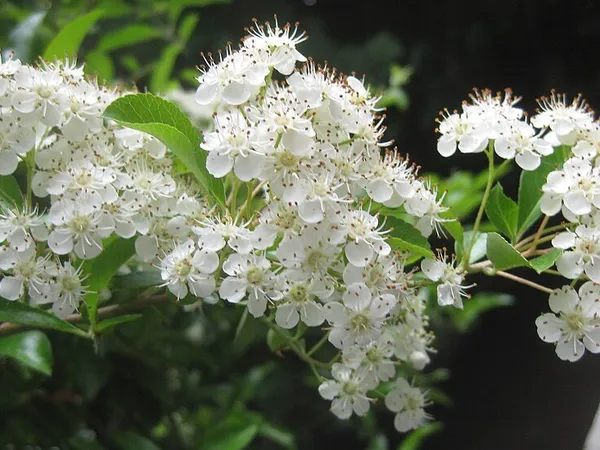 16
Flowers for bees, then berries for birds. Trim in July, checking first for nesting birds, and keep the berry clusters.
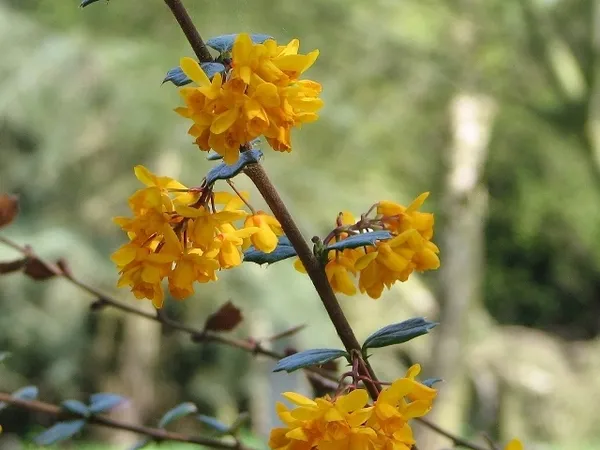 17
Bright orange flowers loved by bees. Trim straight after flowering. Wear gloves!
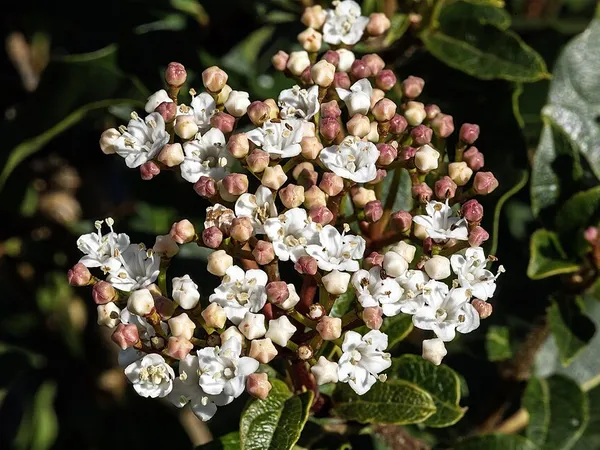 18
Flowers right through winter when little else does. Trim in spring as flowering ends, not before.
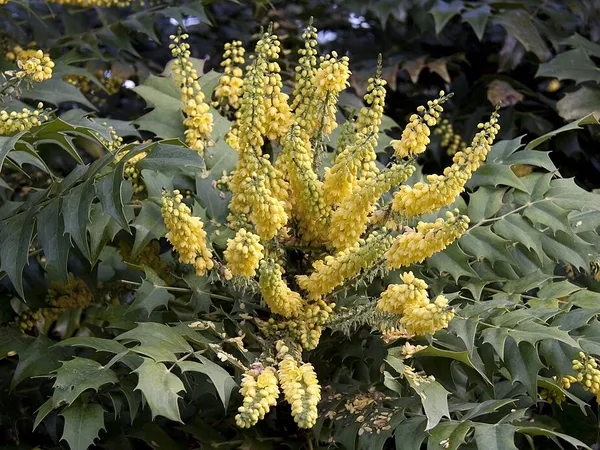 19
Winter food for bees on mild days. Cut back leggy stems in early spring once the flowers fade.
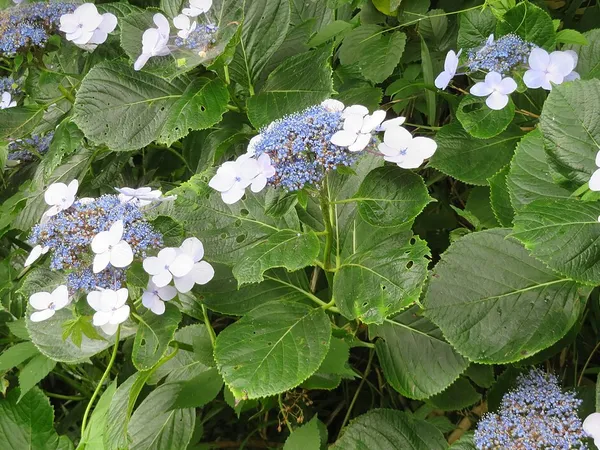 20
The most common mistake we see. Leave the old heads on all winter, then in spring cut them off just above the first pair of fat buds. Don't cut the stems back hard.
Shrubs 21 to 30 flower on this year's new growth (Rule 2). Cutting them in spring or summer removes the flowers before they open.
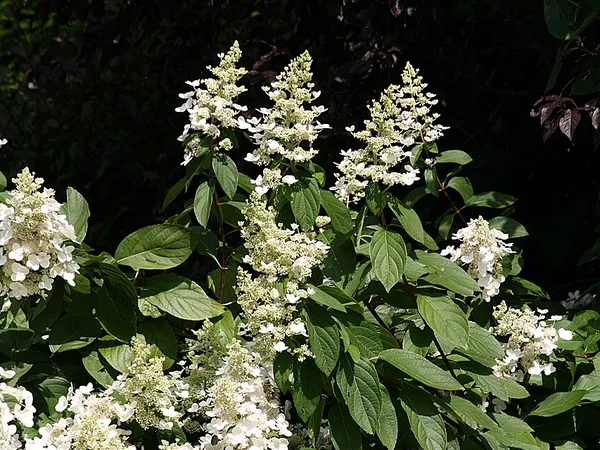 21
Unlike mopheads, these flower on new growth. Cut back in late winter, never in summer.
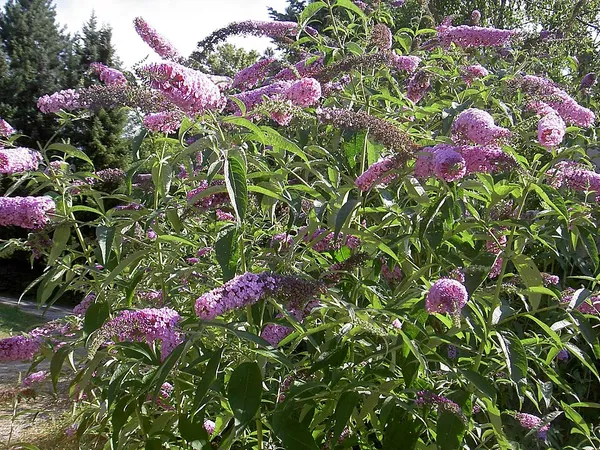 22
Cut hard back in March. Cutting in summer removes the flowers butterflies depend on. Deadheading is fine.
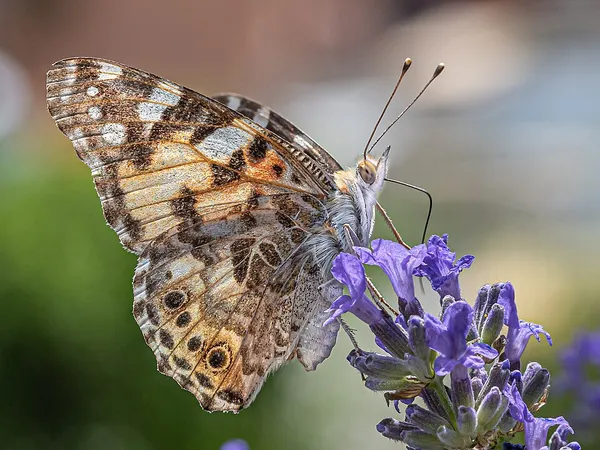 23
Trim after flowering in late summer, keeping some green on every stem. Never cut into old woody stems.
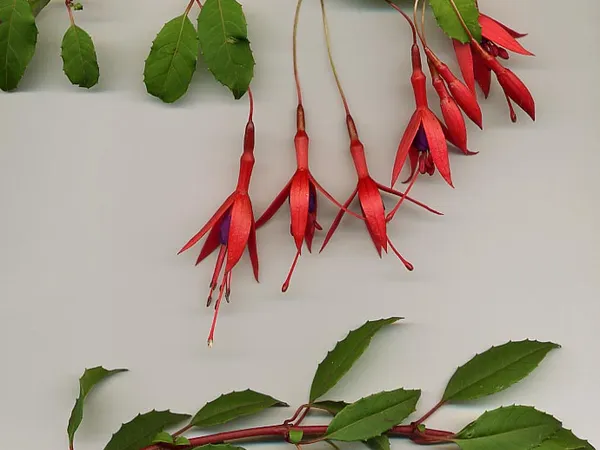 24
Leave the old stems over winter to protect the plant. Cut back in April when new shoots appear at the base.
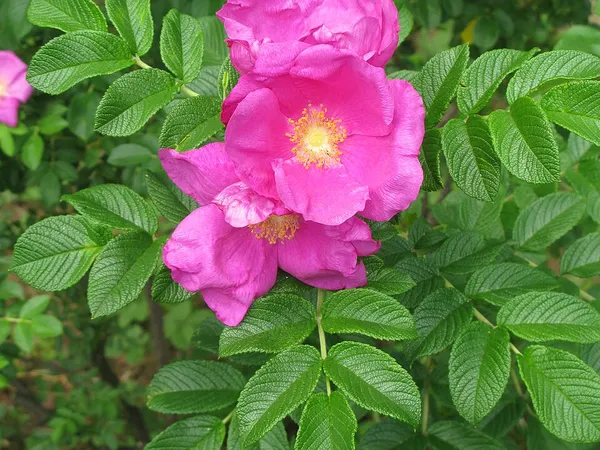 25
Main prune in late winter. In summer only deadhead, as cutting stems back removes the flower buds.
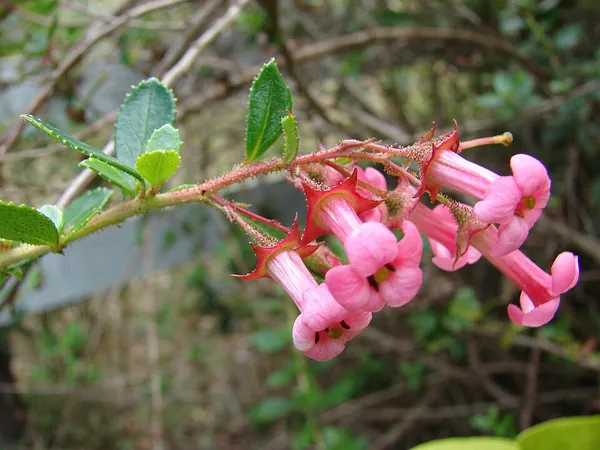 26
A favourite Kent hedge. Trim once flowering finishes in autumn, not in spring or summer while it's in bud and birds are nesting.
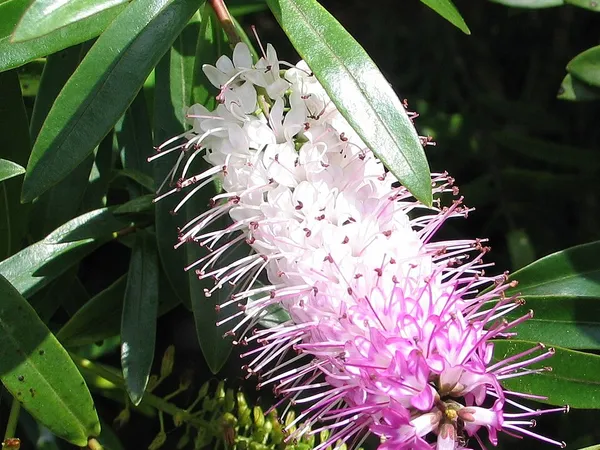 27
Light trim only, in spring or just after flowering. Avoid cutting in autumn and winter when frost damages the cuts.
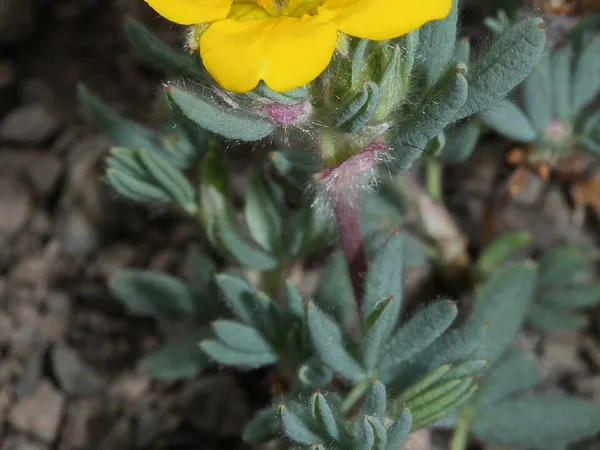 28
Flowers all summer on new shoots. Give it a trim in late winter and leave it alone while it flowers.
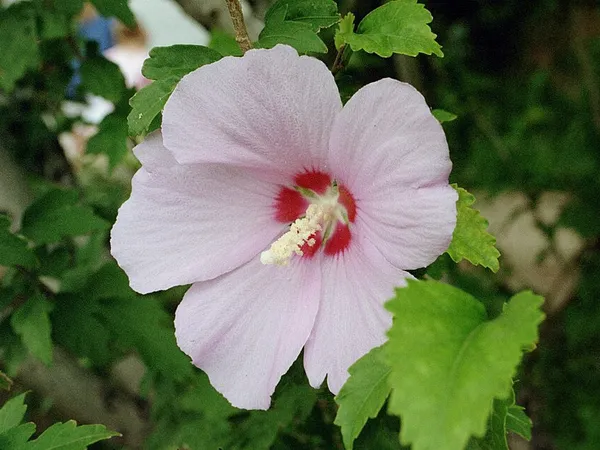 29
One of the last shrubs to wake up. Prune in April; summer cuts take away the late flowers.
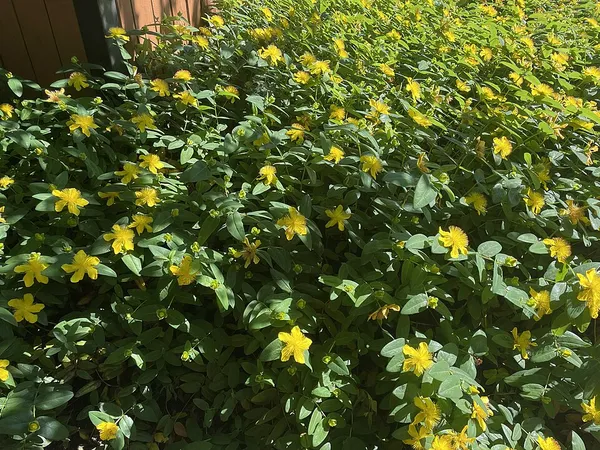 30
Flowers on new growth all summer. Cut back in March, never once the buds are forming.
Check for nests first. Most wild birds, their nests and eggs are protected by law (Wildlife and Countryside Act 1981). The main nesting season runs from March to August, so always look carefully before trimming any shrub or hedge in those months.
Hollyoaks Gardens has looked after Bromley gardens for over 18 years. Our maintenance team knows exactly when to cut, so your garden keeps its flowers.