Hollyoaks Gardens Free quote →
Home › Garden tips › Soil types

A Hollyoaks Gardens garden tip

Know your soil: the 6 soil types and their benefits

Get to know your soil and everything gets easier: the right plants thrive, you water and feed less, and you stop fighting your garden. Here are the six main soil types, what each is good for and how to improve it.

๐ŸŒฑ Clay๐Ÿ–๏ธ Sandy๐Ÿ’ง Silty๐ŸŒฟ Loam๐Ÿชจ Chalk๐Ÿ‚ Peaty
The 2-minute squeeze test

Find out your soil type in your hand

1Take a small handful of soil from about a spade's depth down.
2Wet it slightly and squeeze it in your fist.
3Gritty and falls apart? Sandy. Silky like flour? Silty. Crumbly but holds? Loam.
4Sticky, rolls into a ring? Clay. Pale with white lumps? Chalk. Dark and spongy? Peaty.

The 6 soil types

Most gardens are a mix, but one type usually dominates. Find yours below.

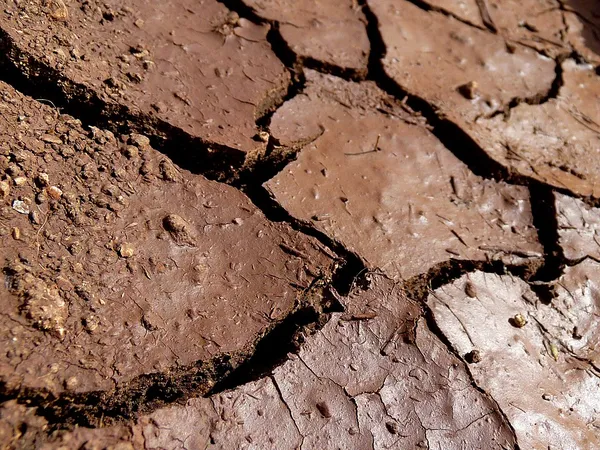
Clay soil

Clay soil

How it feels: Sticky and smooth when wet, rolls into a sausage and a ring. Bakes hard and cracks in summer.

Benefits

  • Very rich in nutrients, so plants grow strongly
  • Holds water well, so it needs less watering in dry spells
  • Roses, hydrangeas, weigela and most fruit trees thrive in it

Watch out for

  • Slow to warm up in spring
  • Waterlogs in winter and cracks in summer
  • Hard work to dig
How to improve it: Dig in plenty of compost or well-rotted manure every year and never walk on it when wet. Grit helps in planting holes.
Around Bromley: Much of north Bromley (Bromley town, Beckenham, Penge, Shortlands) sits on London Clay.
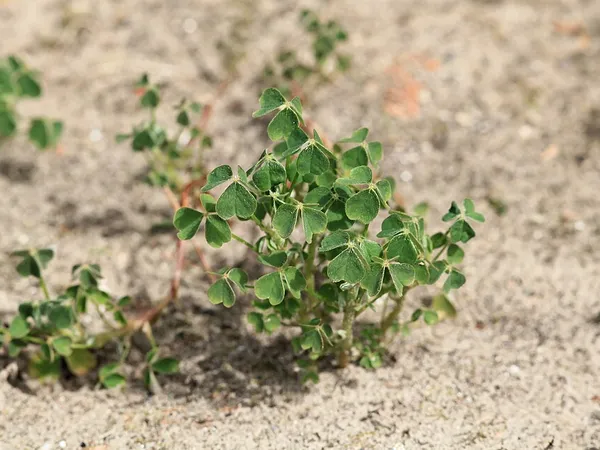
Sandy soil

Sandy soil

How it feels: Gritty and loose. Falls apart in your hand even when damp.

Benefits

  • Drains fast and warms up quickly in spring, so you can sow early
  • Easy to dig all year round
  • Perfect for lavender, rosemary, cistus and other Mediterranean plants

Watch out for

  • Dries out quickly in summer
  • Nutrients wash away with the rain
  • Often slightly acidic
How to improve it: Add organic matter every year to hold water and food, mulch thickly, and feed little and often.
Around Bromley: Found on the greensand ridge in Kent and the sandy, gravelly commons around Hayes and Keston.
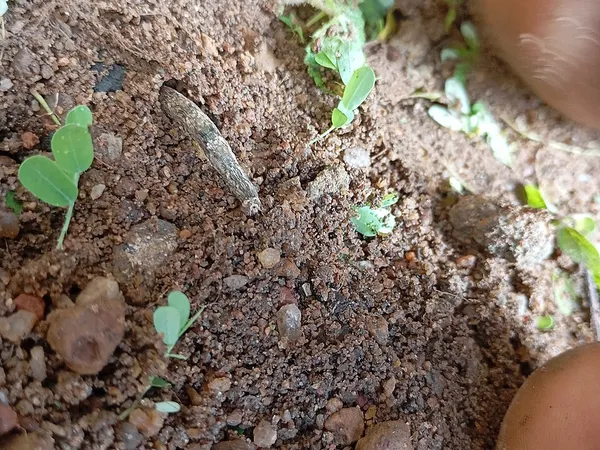
Silty soil

Silty soil

How it feels: Silky or soapy, a bit like flour. Smooth but not very sticky.

Benefits

  • Fertile and holds moisture better than sand
  • Easy to work with a fine texture, great for sowing seeds
  • Good for vegetables, climbers, grasses and most shrubs

Watch out for

  • The surface can form a hard crust after heavy rain
  • Easily compacted when walked on
  • Can wash away on slopes
How to improve it: Mulch to stop crusting, add compost to improve the structure and use paths or boards to avoid compaction.
Around Bromley: Most common near river valleys, such as along the Cray and the Darent.
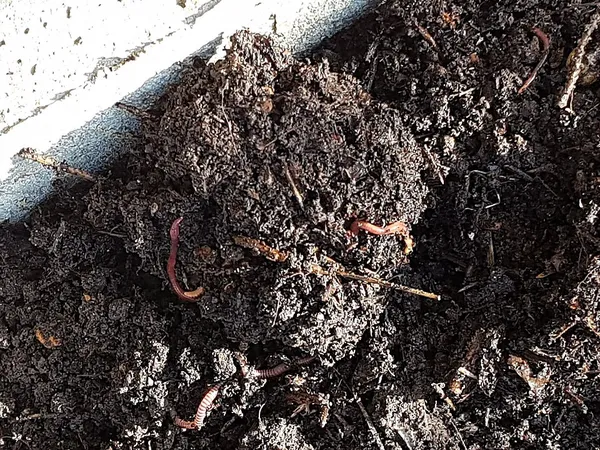
Loam

Loam

How it feels: Dark, crumbly and slightly moist. Holds together but breaks apart easily.

Benefits

  • The gardener's ideal: a balanced mix of sand, silt and clay
  • Drains well but still holds moisture and nutrients
  • Suits almost every plant, from lawns to vegetables to shrubs

Watch out for

  • Can lose its goodness if never fed
  • Compacts if worked when wet
How to improve it: Keep it in good shape by adding a layer of compost or mulch each year.
Around Bromley: Well-kept, long-established Bromley gardens often have loam built up over many years.
Chalk soil

Chalk soil

How it feels: Pale, stony and often full of white chalk lumps or flints. Free draining.

Benefits

  • Drains well and is easy to work
  • Alkaline, so it suits lilac, clematis, lavender, buddleja and many wildflowers
  • Warms up quickly in spring

Watch out for

  • Shallow and hungry, as it dries out and needs regular feeding
  • Not suitable for camellias, rhododendrons, azaleas or pieris (they need acid soil)
  • Leaves can turn yellow from a lack of iron
How to improve it: Add plenty of organic matter, mulch every year, and grow acid-loving plants in pots of ericaceous compost.
Around Bromley: The North Downs: Biggin Hill, Downe, Cudham and much of Kent, often with a layer of clay and flints on top.
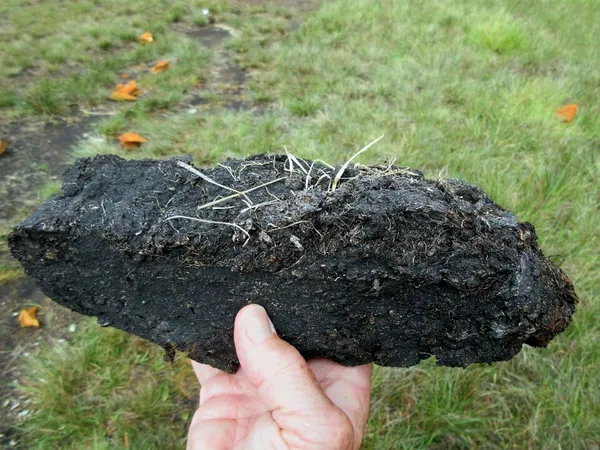
Peaty soil

Peaty soil

How it feels: Dark, soft and spongy. Very high in organic matter and holds lots of water.

Benefits

  • Holds moisture well
  • Acidic, so it's perfect for rhododendrons, azaleas, camellias, heathers and blueberries
  • Rich in organic matter

Watch out for

  • Can be waterlogged and low in nutrients
  • Too acidic for many common plants
  • Peat bogs are precious habitats, so never buy peat compost
How to improve it: Add lime only if you need to grow non-acid plants, improve drainage, and use peat-free compost.
Around Bromley: Rare in Bromley gardens. Most acid soil here is sandy rather than peaty.
Acid or alkaline?

Check your soil's pH too

Your soil type tells you about texture. pH tells you how acid or alkaline it is, and that decides which plants will grow happily. A cheap pH kit from any garden centre gives you an answer in minutes.

Most garden plants like it around neutral (pH 6.5 to 7). Camellias, rhododendrons, azaleas, pieris and blueberries need acid soil. Lilac, clematis and lavender are happy on chalky, alkaline soil.

Acid
pH below 6.5
Neutral
pH 6.5 โ€“ 7.5
Alkaline
pH above 7.5
Photo credits
  1. Clay soil: photo by Chenspec (CC BY-SA 4.0), via Wikimedia Commons, resized
  2. Sandy soil: photo by Frank Vincentz (CC BY-SA 3.0), via Wikimedia Commons, resized
  3. Silty soil: photo by Zmu'az4Z (CC BY 4.0), via Wikimedia Commons, resized
  4. Loam: photo by Malcolm Fowles (CC BY-SA 4.0), via Wikimedia Commons, resized
  5. Chalk soil: photo by Graham Horn (CC BY-SA 2.0), via Wikimedia Commons, resized
  6. Peaty soil: photo by David Stanley from Nanaimo, Canada (CC BY 2.0), via Wikimedia Commons, resized

Want a garden that grows on your soil?

We plant the right shrubs, trees and borders for your soil type across Bromley and Kent, and prepare the ground properly first.