
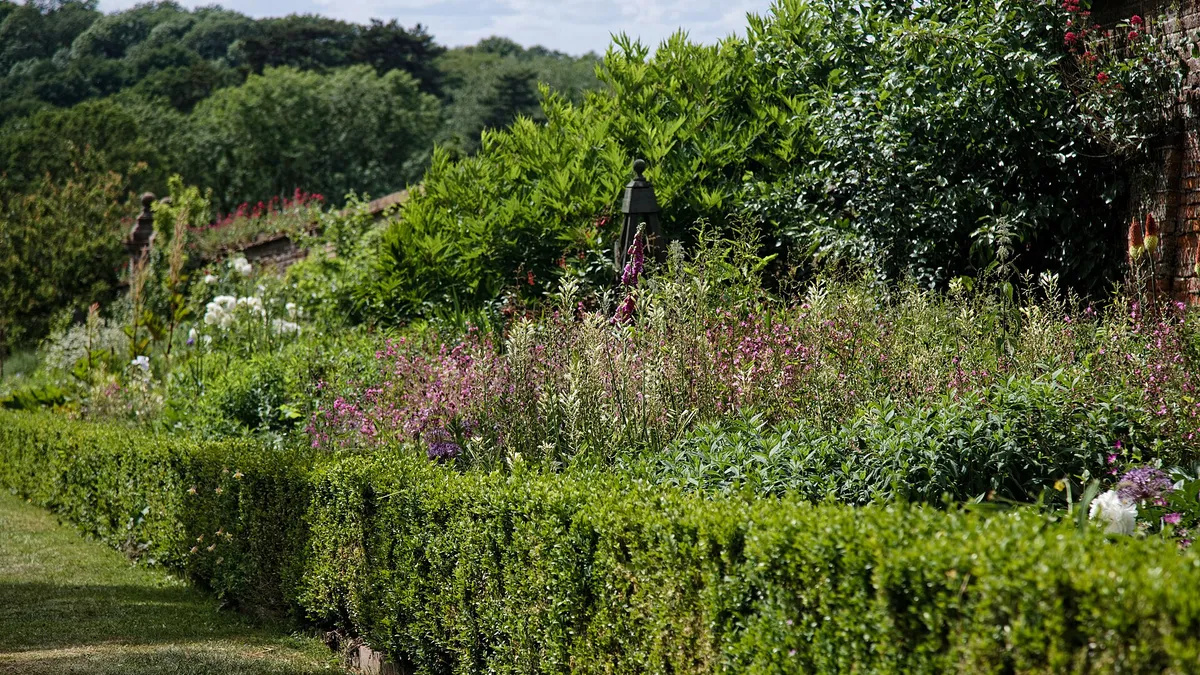
Most people start thinking about a new garden on the first warm weekend of spring. By then, the best time to plan has already gone. Winter strips a garden back to its bones, the ground is ready for structural planting, and landscapers still have room in their diaries. If you would like a different garden by next summer, the next few weeks are the time to start.
Why winter is the right time to plan
With the leaves down and the borders cut back, you can see the real shape of your garden: where the light falls when the sun is low, which corners stay wet, what you look at from the kitchen window and which views you would rather hide.
Winter is also the planting season for many of the things that give a garden its structure. Bare-root trees, hedging and roses are sold from late autumn to the end of winter while they are dormant, and they are much cheaper than pot-grown plants. Our guides to bare-root hedges and winter planting explain how it works.
Finally, there is the practical side. Hard landscaping, fencing and clearance can all be done in winter on days when the ground is workable, and many people who wait until April find that the work they want will not start until the summer.
Start with a simple survey
Before you think about plants or paving, walk round the garden with a notebook or your phone and record what is already there:
- Sun and shade. Note which parts get sun in the morning, at midday and in the evening. Remember the sun is much higher in summer, so winter shade is not the whole story.
- Drainage. After heavy rain, look for puddles that sit for days. Much of Bromley is on heavy clay, which holds water in winter and cracks in summer. Our guide to wet clay soil explains what that means for paths, lawns and planting.
- Soil. Dig a few holes and see what you have. Our guide to soil types will help you work it out.
- What to keep. Mature trees, good hedges and established shrubs take years to replace. Mark the plants worth keeping before anything is cleared.
- Access. Measure side gates and paths. A narrow side return affects what machinery and materials can get into the back garden.
Decide how you want to use the garden
The best gardens are designed around how people actually live. Make a short list of what matters most to you, such as somewhere to eat outside, space for children to play, room for a shed or a home office, a vegetable patch, or a garden that needs very little upkeep.
Then be honest about time. A large lawn and deep flower borders look lovely but need regular work. If you would rather spend summer weekends enjoying the garden than maintaining it, say so at the planning stage so the design suits you.
If the budget will not stretch to everything at once, plan the whole garden now and build it in stages. Doing the structure first (clearance, levels, drainage, paths and boundaries) means you will not have to dig up new planting later.
Rules to check before work starts
Most garden projects do not need permission, but a few common ones do. The Planning Portal sets out the main rules for houses in England:
- Fences, walls and gates can usually go up to 2 metres high without planning permission, but only 1 metre where they are next to a road or footpath.
- Front gardens: a new or replacement driveway does not need planning permission if it uses a permeable surface such as gravel or permeable block paving, or if rainwater runs off onto a lawn or border. Covering more than five square metres with traditional impermeable paving that drains towards the road does need permission.
- Dropped kerbs: if you want to park on a new front driveway, you need the council's approval for a vehicle crossover. In Bromley you apply to the council before any work is done to the pavement.
- Protected trees: if a tree has a Tree Preservation Order, or your home is in a conservation area, you need to contact Bromley Council before pruning or removing it.
These rules can be different for flats, listed buildings and homes in conservation areas, so check with Bromley Council's planning team if you are not sure.
Jobs that can start this winter
Plenty of the heavy work can be done now, as long as you avoid days when the ground is frozen solid or waterlogged:
- Clearing overgrown areas, old sheds and tired shrubs, so the space is ready to build.
- Fencing and boundaries, including replacing panels damaged by winter wind.
- Tree and hedge work, while most deciduous trees are dormant and nesting birds are not yet a concern. See our guide to winter tree pruning.
- Planting bare-root trees, hedges and roses when the soil is workable.
- Paths, patios and edging in dry spells, with care on heavy clay after a lot of rain.
Leave tender plants, summer bedding and most new lawns from seed until spring, when the soil warms up and the risk of hard frost has passed.
Common questions
Is winter a good time to start a garden makeover?
Yes. You can see the garden's structure clearly, bare-root trees and hedges are in season from late autumn to the end of winter, and landscapers have more availability than in spring. Just avoid working the soil when it is frozen or waterlogged.
Do I need planning permission for a new garden fence?
Usually not, if it is no more than 2 metres high, or 1 metre next to a road or footpath. Different rules can apply to listed buildings and some conservation areas, so check with the council if you are unsure.
Can I pave my front garden without planning permission?
Yes, if you use a permeable surface such as gravel or permeable block paving, or let rainwater drain to a lawn or border. Covering more than five square metres with impermeable paving that drains to the road needs planning permission, and parking on it needs an approved dropped kerb.
Photo credits
- Planning a garden makeover? Why winter is the time to start: photo by Acabashi (CC BY-SA 4.0), via Wikimedia Commons, resized